






Flat Rooftop Mounting StructurePV Mounting Structure

Features & Benefits

Warranty Icon

20-Year Anti-Corrosion Warranty & 10-Year Warranty on Accessories

Warranty Icon

Flexible Panel Orientation (Vertical or Horizontal)

Wind Load Icon

Engineered to Withstand High Wind Speeds up to 160 km/hr

Corrosion Icon

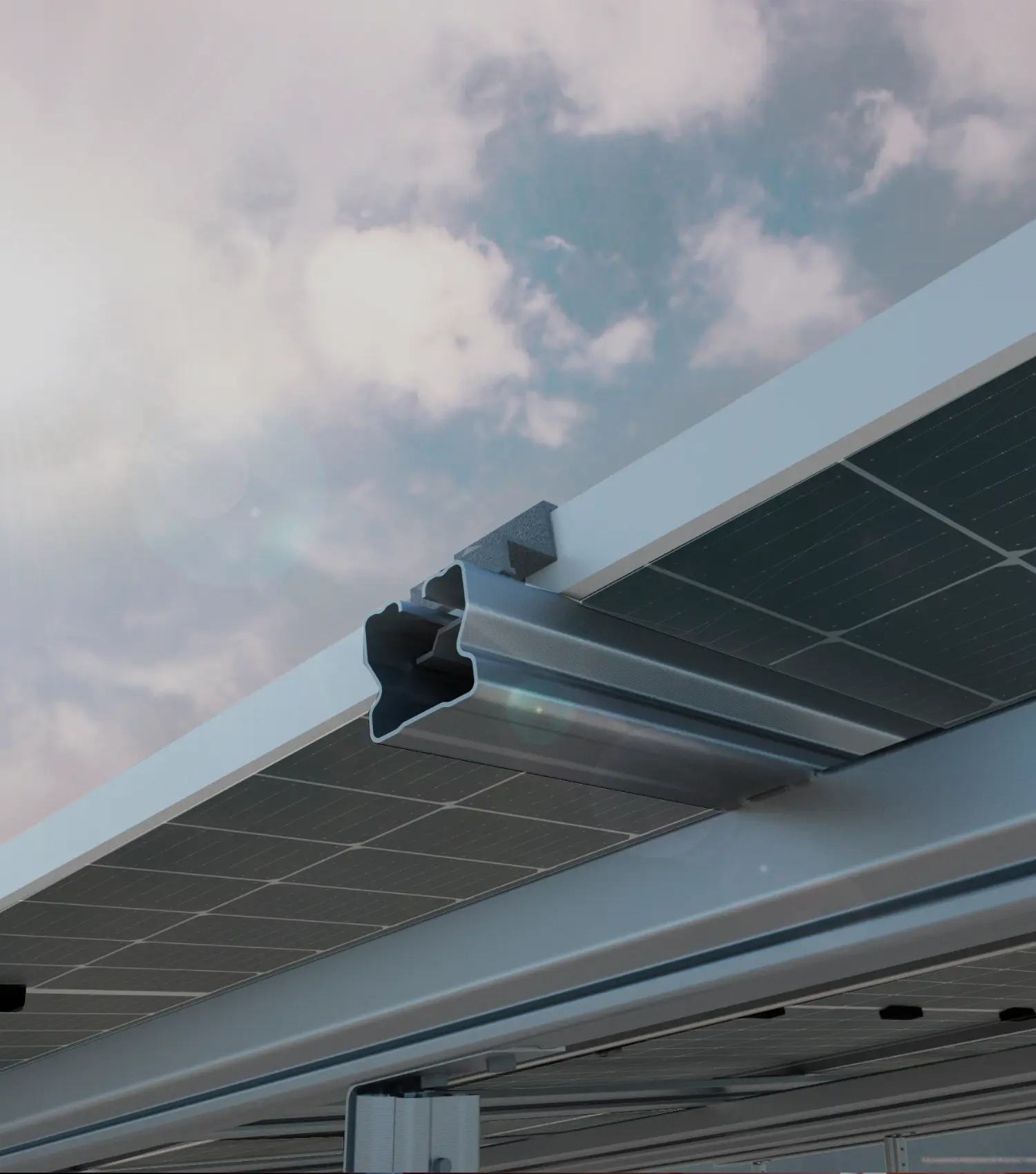
Superior Corrosion Resistance (Magnelis) – 3x Better Than Standard Galvanization

Self-Healing Icon

Self-healing protection for cut edges ensuring structural integrity

Compatibility Icon

Universal Design: Fully compatible with all types of solar modules

Standards Icon

Compliant with international standards: ASCE, AISC, IBC, and British Code

📄
Download Structure Datasheet (PDF)

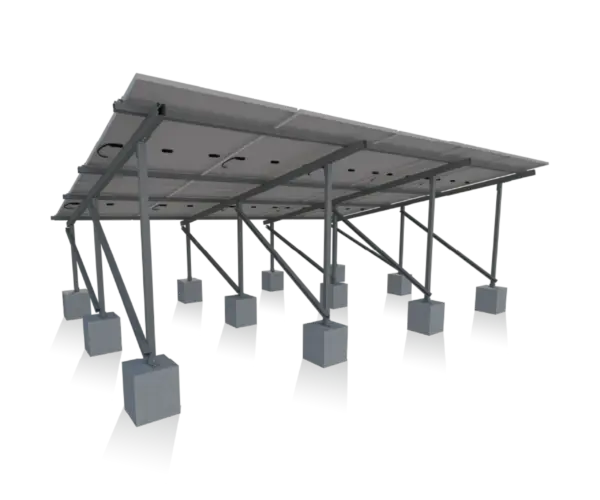
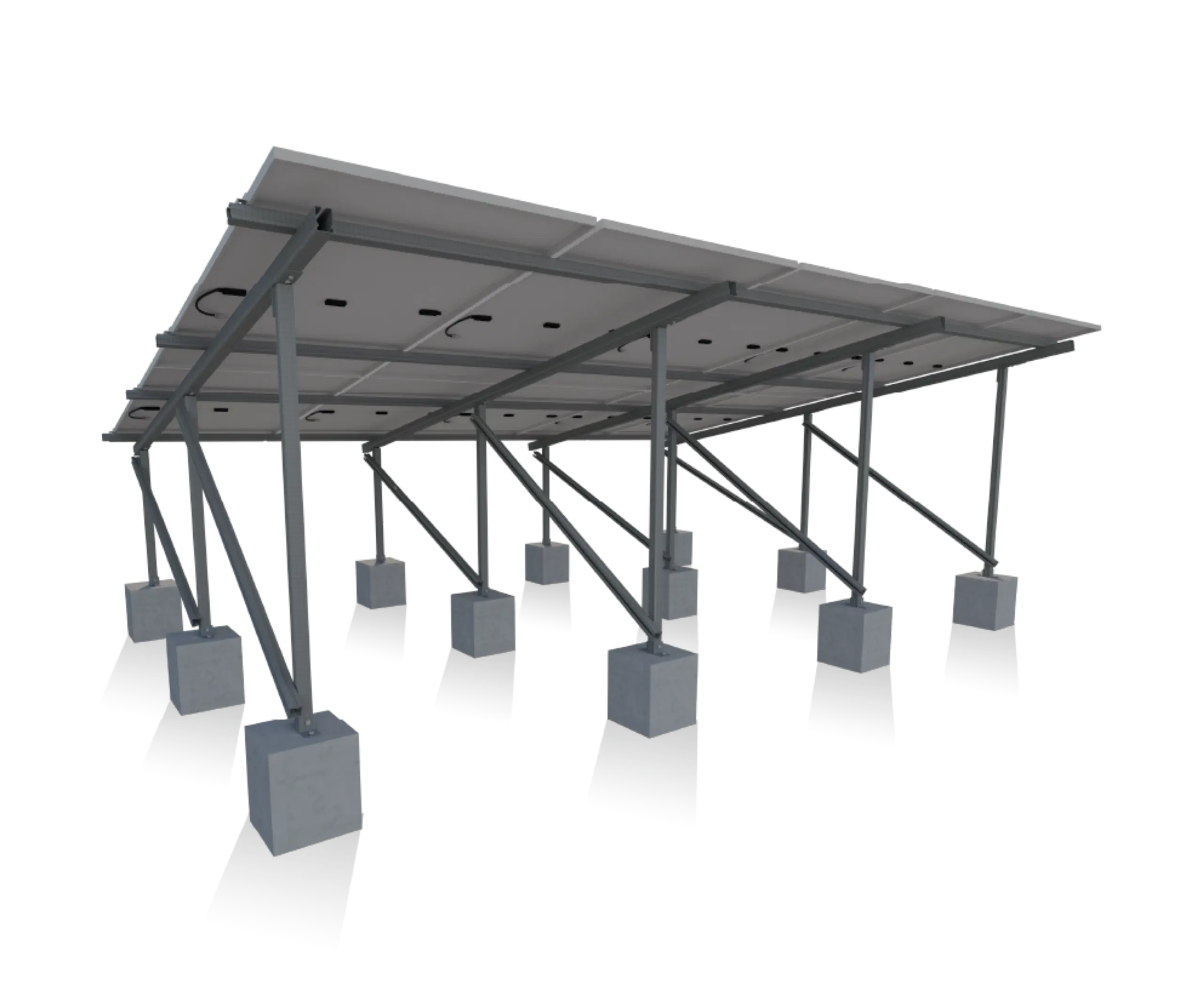
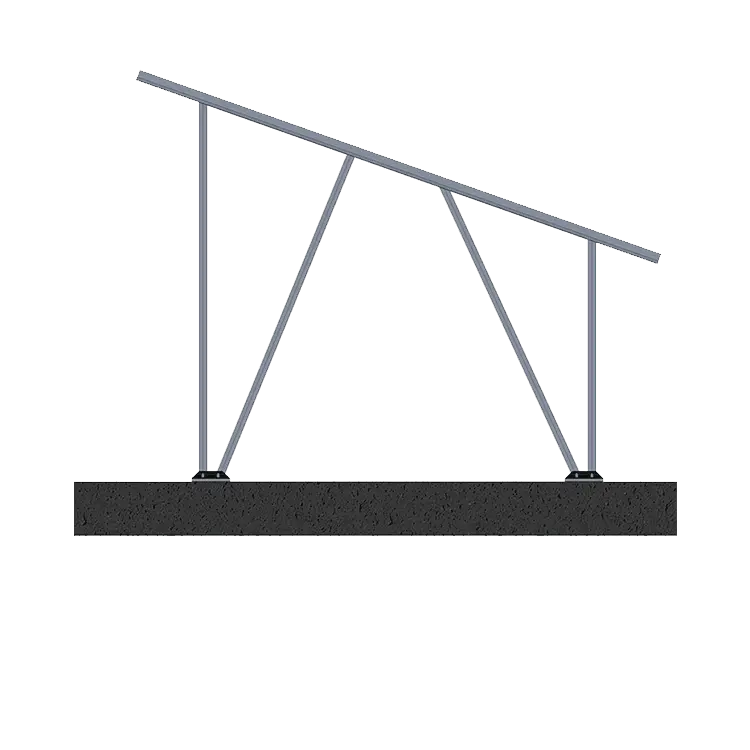
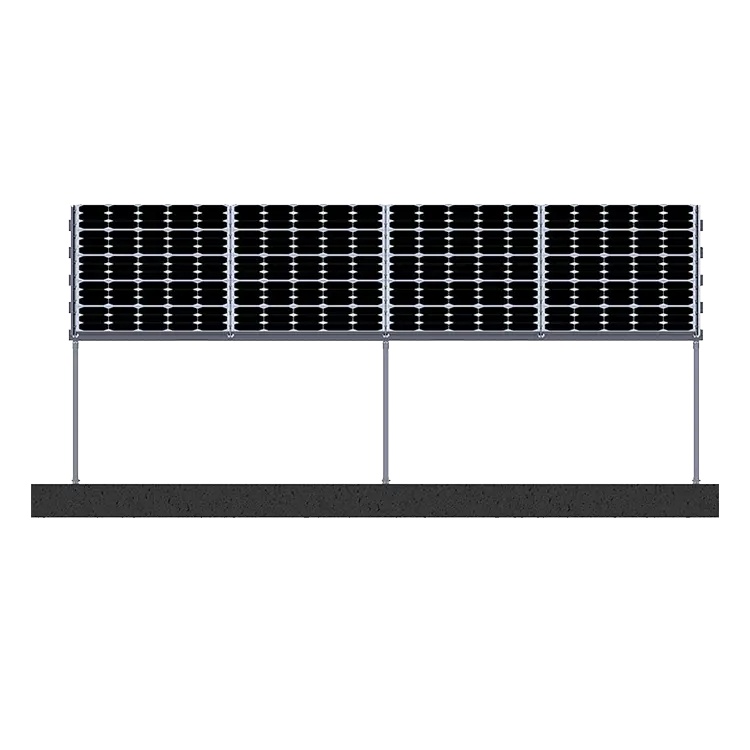
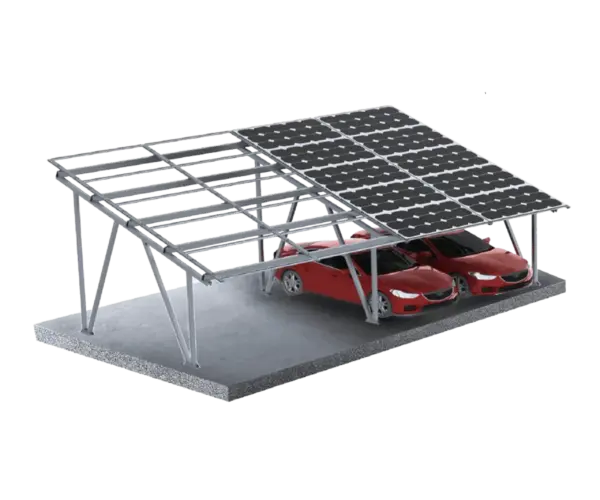
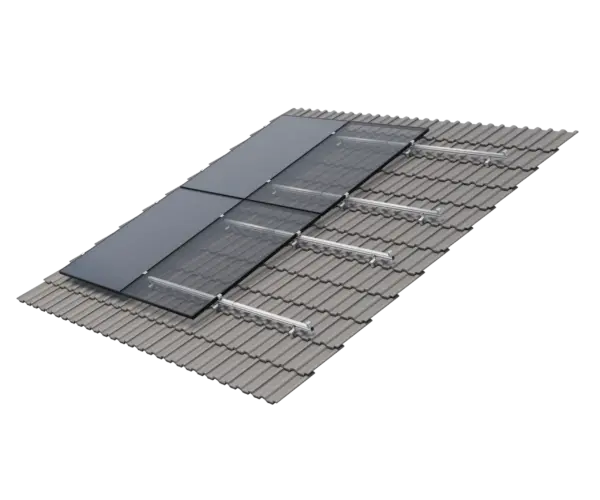
Philadelphia Solar’s Flat Rooftop Mounting Structure is a robust and flexible solution specifically engineered for installation on asphalt or concrete roofs. It provides maximum structural integrity and adaptability, allowing for both vertical and horizontal panel orientations to suit diverse site requirements.


Applications

Residential Solar Icon
On-Grid Residential Roof-Tops
Commercial Solar Icon
On-Grid Commercial / Industrial Roof-Tops
Power Plants Icon
Solar Power Plants
Off-grid Lighting Icon
Off-Grid Systems
(Including Lighting Systems)

Additional information

Installation Site:

Asphalt or Concrete roofs and grounds.

Tilt Angle:

Customized based on the client's region (Typically 0-15 degrees).

Applicable Temperature:

-50°C to 100°C.

Structure Materials:

Magnelis and Hot Roll Sections (customized upon request).

Basic Wind Speed:

Tailored to client requirements (Can be optimized up to 160km/hr)

Design Standards:

Compliant with British loads code, ASCE, AISC, and IBC.

  • Can the panels be installed in both portrait and landscape modes?

    • Yes, this structure is designed to accommodate both vertical and horizontal panel orientations to maximize roof space utilization.

 
  • Is this structure suitable for both ground and rooftop installation?

    • It is specifically optimized for asphalt or concrete roofs but can also be used for ground installations on similar surfaces.

 
  • How does it handle extreme weather conditions?

    • The structure is built to withstand a wide temperature range (-50°C to 100°C) and can be engineered to handle wind speeds up to 160 km/hr.