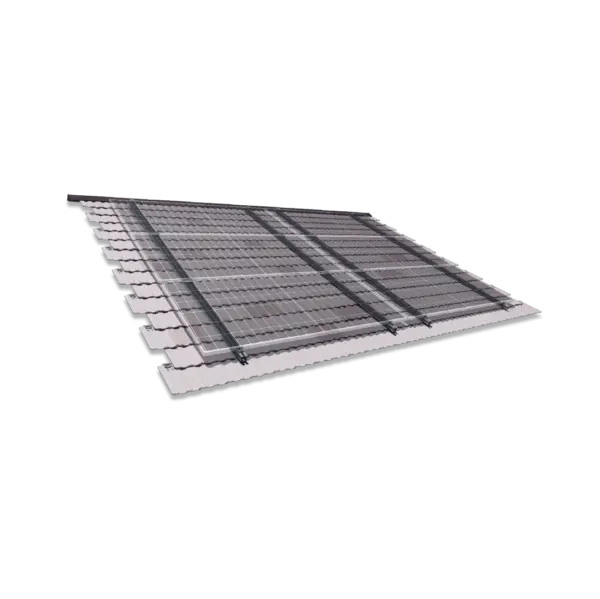







Pitch Tin Roof Mounting StructurePV Mounting Structure

Features & Benefits

Warranty Icon

20-Year Anti-Corrosion Warranty & 10-Year Warranty on Accessories

Warranty Icon

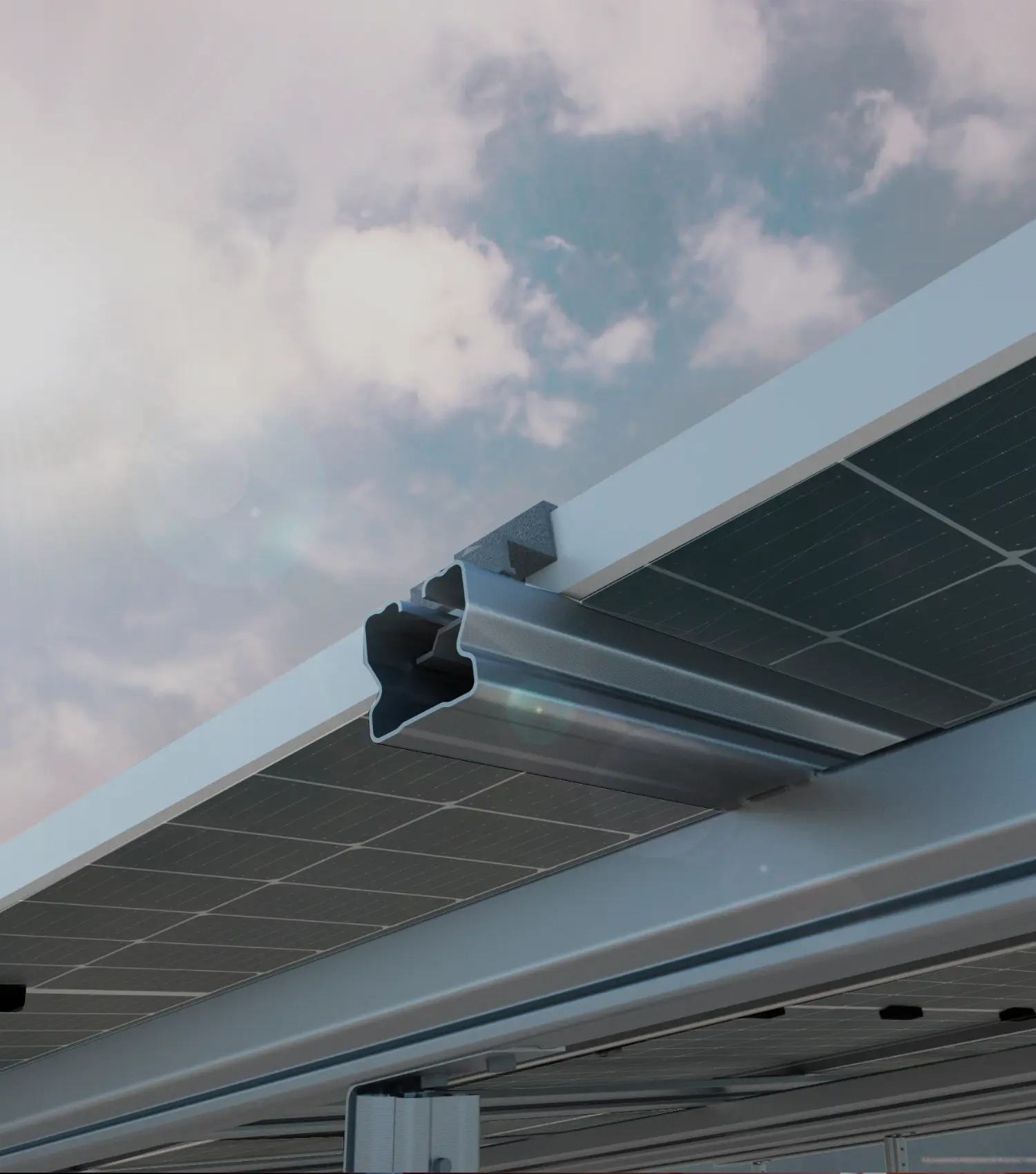
Unique Lightweight Design for Tin Roofs:

Wind Load Icon

Engineered to withstand high wind speeds up to 160 km/hr

Corrosion Icon

Superior corrosion resistance (Magnelis) – 3x better than standard galvanization

Self-Healing Icon

Self-healing protection for cut edges ensuring structural integrity

Compatibility Icon

Universal Design: Fully compatible with all types of solar modules

Standards Icon

Compliant with international standards: ASCE, AISC, IBC, and British Code

📄
Download Structure Datasheet (PDF)

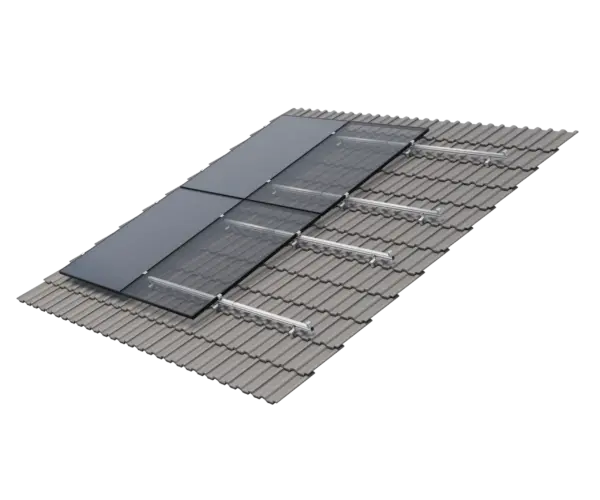
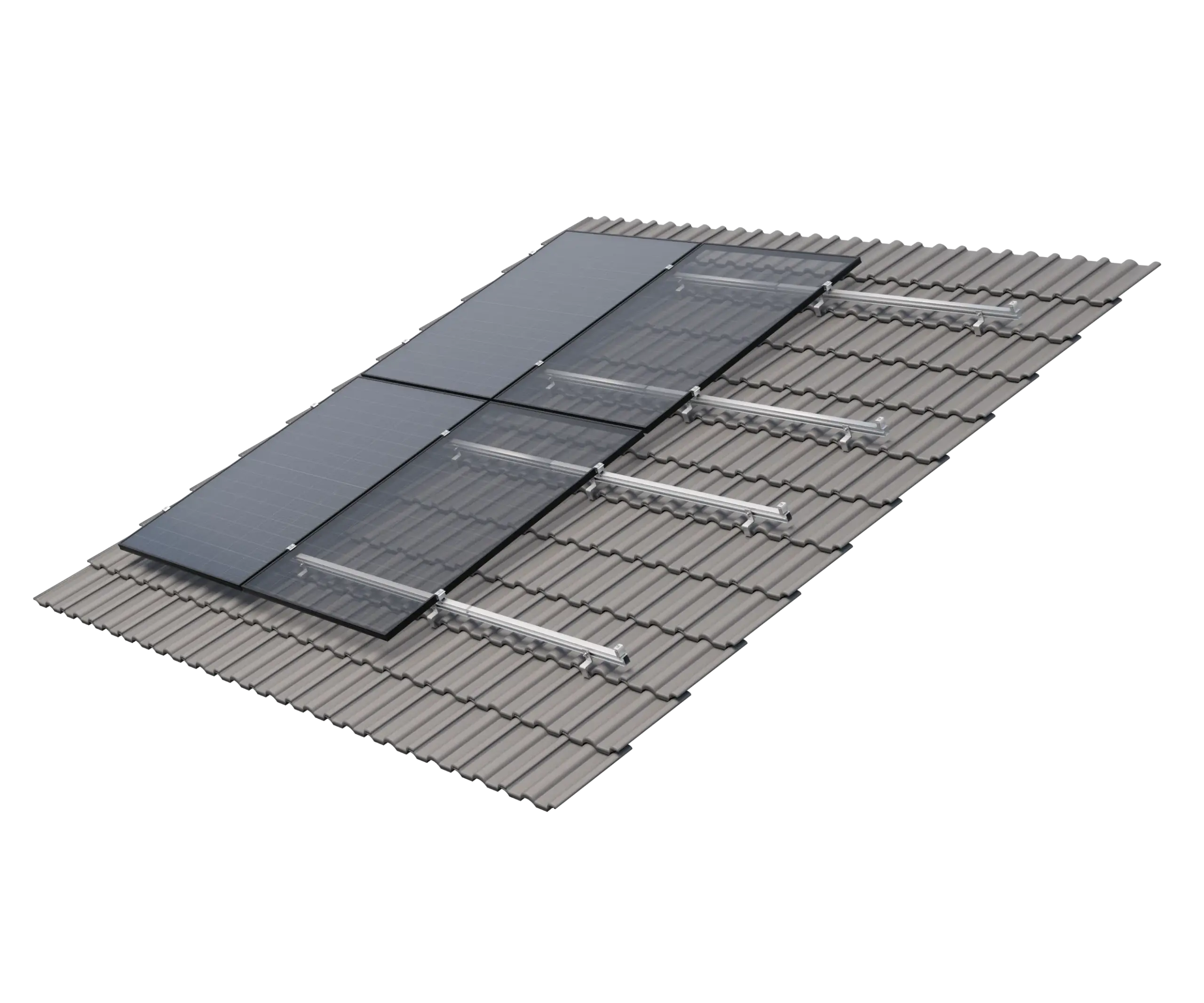
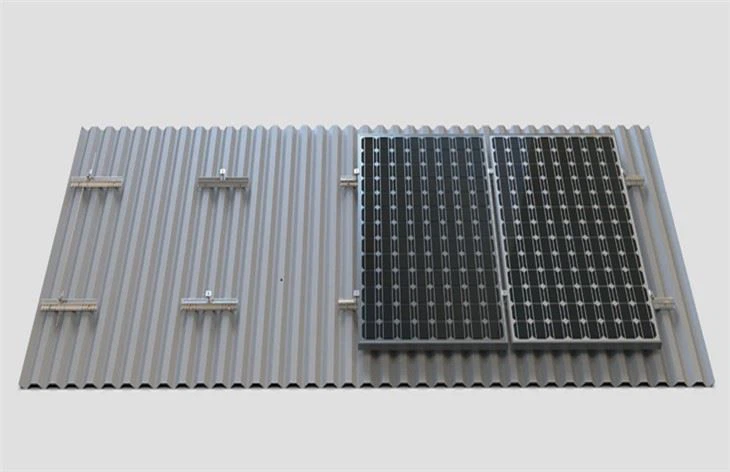
Philadelphia Solar’s Pitch Tin Roof Mounting Structure is a specialized, lightweight solution engineered for seamless integration with slanted metal (tin) rooftops. Designed for industrial and commercial buildings, it provides maximum stability with minimum roof load, ensuring a secure and long-lasting solar installation.


Applications

Residential Solar Icon
On-Grid Residential Roof-Tops
Commercial Solar Icon
On-Grid Commercial / Industrial Roof-Tops
Power Plants Icon
Solar Power Plants
Off-grid Lighting Icon
Off-Grid Systems
(Including Lighting Systems)

Additional information

Installation Site:

Pitch Tin Roofs

Tilt Angle:

Parallel to the roof

Applicable Temperature:

-50°C to 100°C.

Structure Materials:

Magnelis, Hot-Dip Galvanized Steel, and Stainless Steel Accessories.

Basic Wind Speed:

120 km/hr (Optimized up to 160 km/hr).

Design Standards:

Compliant with ASCE, AISC, IBC, and British load codes.

  • Does this system require penetrating the roof for installation?

    • Yes, it is designed to securely fasten to the tin roof structure while ensuring water-tightness and maintaining roof integrity.

 
  • Is the system compatible with all types of metal sheets?

    • Yes, it is a universal design that can be customized to fit various tin roof profiles (trapezoidal, corrugated, etc.).

 
  • How does it handle the expansion of metal roofs in heat?

    • The engineering takes into account the thermal expansion of metal sheets, ensuring the structure remains stable between -50°C and 100°C.